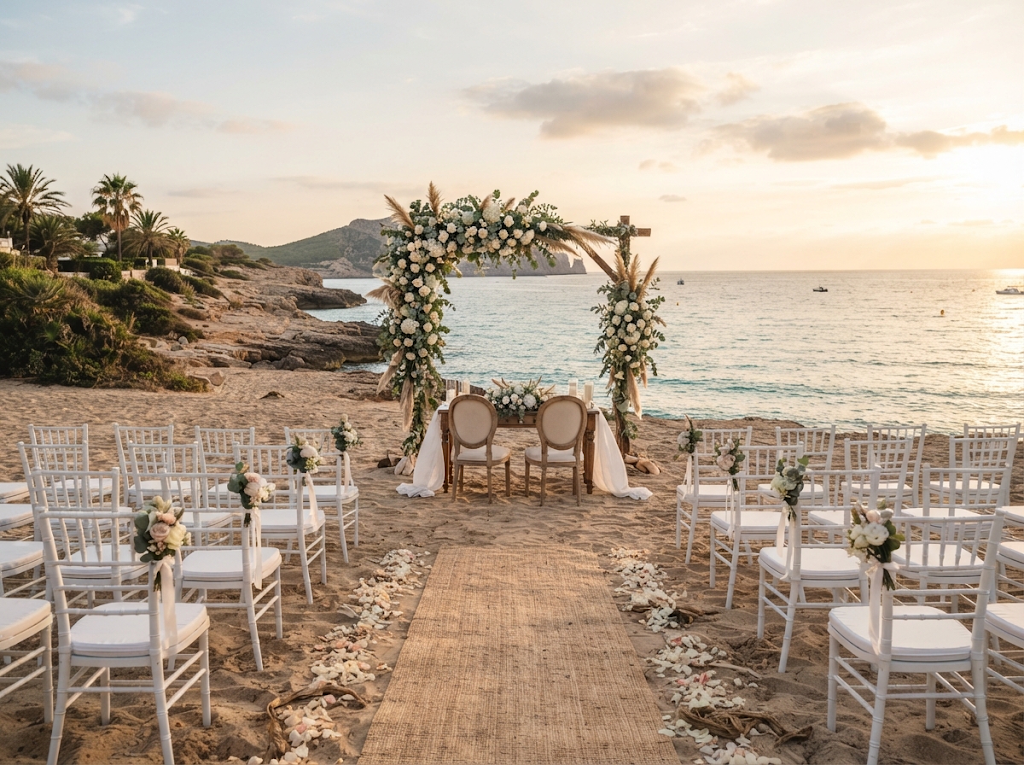
A wedding or a large event abroad is an exciting project and a paperwork marathon. Couples and planners must deal with venues, caterers, photographers, local officials and guests who speak different languages. When the destination is Turkey, with its beaches, historic towns and strong wedding industry, clear communication saves money and stress. Most problems in destination events do not come from the venue itself but from misunderstandings in contracts, schedules and official documents. This guide explains how to handle the language side of planning an event or wedding in Turkey.
Start With a Planning Calendar
Begin at least a year ahead for a wedding and several months ahead for a corporate event. List every task, from booking the venue to arranging transport, and note which ones involve written agreements. Share the calendar with your Turkish partners in a language they understand, so that deadlines for payments, menu choices and guest lists are not missed.
Contracts and Quotes
Never sign a contract that you cannot read. Venue agreements, catering quotes, photographer contracts and cancellation terms must be understood in detail. If the original is in Turkish, have it translated before you sign, and ask the supplier to confirm that the translation reflects the agreement. A reliable provider of turkish translation services can deliver clear, accurate versions of contracts and invoices, so that you know exactly what you are paying for and what happens if plans change.
Legal Requirements for Marriage
Rules for foreign couples who marry abroad differ by country, and they change. Typical requirements include valid passports, proof of single status, birth certificates and sometimes a certificate of no impediment, all with official translations and sometimes an apostille. Check the guidance from your own government, such as the advice on international marriage at travel.state.gov for United States citizens, and confirm the details with the local registry. Start early, because issuing and translating documents can take weeks.
Which Documents Need Translation
Expect to translate birth certificates, divorce decrees, death certificates of former spouses, proof of residence and sometimes a police certificate. Names must match exactly across all documents, including spellings with special characters. For one example of a document often requested, read this article on police clearance certificate translation. Ask the registry whether it accepts translations from any professional or only from sworn translators.
Guests and Invitations
Many destination weddings gather guests from several countries. Prepare invitations, travel information and schedules in the languages your guests speak. Keep texts short and clear, include maps, addresses and the name of a contact person. Explain dress codes, local customs and any special arrangements for children or dietary needs. A well written welcome pack makes guests feel cared for.
Ceremony and Speeches
If the ceremony is performed in Turkish, the couple may need an interpreter so that they understand every word they are agreeing to. Provide the interpreter with the text of the vows and the order of events in advance. Speeches at the reception can be interpreted in short sections, or subtitled on a screen. Agree on the plan with the venue manager, and test the sound system before the event.
Local Customs and Etiquette
Turkish weddings often include music, dancing and traditions that may be new to foreign guests. Ask your planner to explain the customs, and share the explanation with everyone. Respect for local religion and family practices is appreciated. Check rules on alcohol, music volume and photography at the venue, and confirm opening hours and noise limits in writing.
Payments, Taxes and Insurance
Clarify in which currency you will pay, when each instalment is due and how refunds work. Ask whether taxes and service charges are included in the price. Consider event insurance, and read the policy conditions carefully. Keep receipts and written confirmations of every payment, and have important ones translated if they may be needed in a dispute.
Plan for the Unexpected
Weather, travel delays and illness can disrupt any event. Agree on a backup plan with the venue, and note who is responsible for changes. Keep a list of emergency contacts in both languages, including a local doctor, a translator and the nearest consulate. Calm preparation helps the team react quickly when something goes wrong.
After the Event
After the wedding or event, you may need certified copies of the marriage certificate, translated and legalised for use at home. Request them before leaving the country if possible, and check which authority in your home country will accept them. Keep digital and paper copies, and thank your suppliers, whose work made the occasion possible.
Choosing a Local Planner
A good local planner is the bridge between you and the venue, the officials and the suppliers. Ask for references, check whether they speak your language well and request a written scope of services. Share your priorities in simple terms, and ask for regular written updates. Written summaries after each call prevent misunderstandings and give you a record to refer back to.
Budget in Two Languages
Keep a budget sheet that both you and the planner can read. List each item with the supplier name, price, currency, due date and status. Update it after every payment, and use the same item names in both languages, so that quotes, invoices and receipts can be matched easily. A clear budget keeps surprises small and makes it easier to decide where to save.