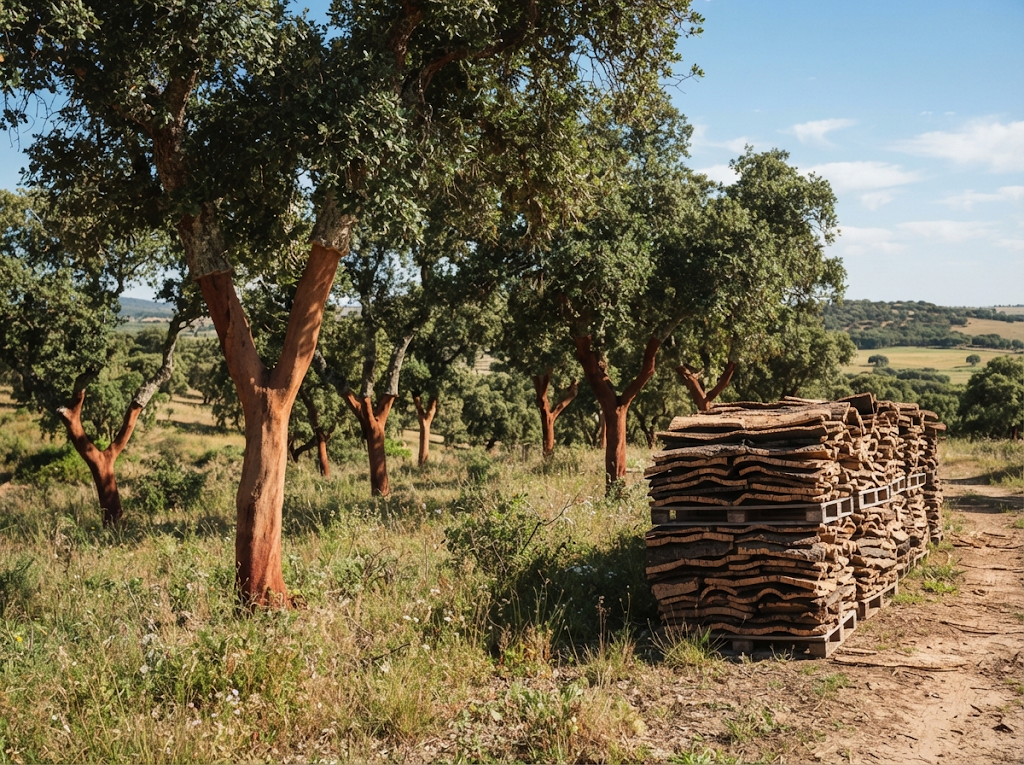
In the Alentejo region of Portugal, cork oaks are stripped by hand once every nine years, and the bark that comes off ends up in wine stoppers, floor tiles, fashion accessories and even spacecraft insulation. Portugal supplies about half of the cork used worldwide, and its producers sell to architects in Germany, designers in New York and wine makers in Australia. Cork is a natural material with thousands of grades, so a buyer who misreads one technical line in a specification can order the wrong product by the pallet. This article explains how Portuguese cork companies can write their English product data and contracts so that every buyer orders exactly what they need.
Why Specifications Matter So Much
Cork stoppers, boards and granules are sold according to density, moisture, size, surface quality and treatment. A change of one millimetre or one percentage point can change the price and the use of the product. Each specification sheet should state the property, the unit, the test method and the tolerance. If the Portuguese original uses a regional term for a grade, give the closest English equivalent and explain the difference in a short note.
The Documents of a Cork Export
A typical order involves a quotation, a sample approval, a contract, a packing list, a commercial invoice, a certificate of origin, quality certificates and transport papers. Some buyers also request environmental declarations, because cork is often chosen for its low carbon footprint. All these documents must tell the same story. If the invoice says one weight and the packing list another, customs officers and accountants lose patience quickly.
Choosing a Specialist for Portuguese Documents
A producer that handles dozens of orders each month needs a stable partner. A provider of portuguese document translation services can handle specification sheets, contracts and certificates and keep the vocabulary the same in every file. Ask whether the team has worked with industrial or agricultural texts, and give them a glossary of cork terms in both languages. When a new product line launches, send the glossary again so the new terms are added before anyone writes a catalogue.
Samples and Quality Reports
Buyers request samples before a large order. Include a short card with each sample that names the grade, the batch, the date and the test results. A quality report should state which tests were carried out, which standards were used and what the result means in simple words. The APCOR association presents information about the sector and its standards on its page apcor.pt, and many exporters use it as a reference for common terms.
Contracts and Claims
A contract should define the product, the quantity, the delivery terms, the payment, the tolerance for natural variation and the process for claims. Natural materials vary, so say clearly what counts as a defect and what is a normal difference. Agree on the language of the contract and on the law that applies. If a dispute arises, a clear English text prevents long discussions about who understood what. For help in deciding who should handle which kind of language work, read our short guide on interpreter vs translator.
Marketing Cork to New Buyers
Designers and architects are curious about sustainability, texture and durability. A good English brochure explains how cork is harvested without cutting the tree, how long the trees live and what happens to the product at the end of its life. Use concrete numbers and simple comparisons. Avoid vague words that sound like advertising, because specialists notice them at once.
Website and Online Catalogue
Your online catalogue should be easy to scan. Put the product name, the main use and the key technical data at the top, and place downloads for full specifications below. Keep the same product names in Portuguese and English pages so that search engines and buyers can follow them. Add a contact form with a promise of a reply within one working day, and keep that promise.
Trade Fairs and Factory Visits
Fairs are a chance to meet new customers, and a printed English price list, a sample kit and a short company story make a strong impression. When visitors tour the factory, they should see signs in English that explain each stage, from boiling the bark to cutting the stoppers. A short safety briefing in English protects guests and shows professionalism.
Emails, Calls and Relationships
Much of the work is done in short messages. Write a clear subject line, put the question or decision first, and confirm numbers, dates and codes. If you speak with a customer by phone, send a written summary after the call. These habits prevent misunderstandings and build the trust that long term customers expect.
Keeping the Document Set Healthy
Once a year, review the whole set: specification sheets, price lists, contracts, brochures and web pages. Remove old versions, correct small errors and add new certificates. A company that keeps its English documents as carefully as it tends its oak forests will find that its customers, like the trees, return again and again.